Steps in Creating a Website

The steps below outline a general action plan that I used for designing and creating the following website https://sites.google.com/view/charlesschocolates/home for class.

1.Finding a client, or coming up with a client

The hardest step in developing a new website, especially for an imaginary client, is deciding the type of company and the brand image that you want to portray with the website. I used the items I already had around the house as inspiration. Fortunately, I had bought a significant amount of chocolate to get me through quarantine.

2. Relevant pages

Create pages that said company would necessarily require. A website for a chocolate company necessitates numerous product pictures, a page dedicated to the product (shown below), possibly a chocolate making process page, and a purpose page. Since I already had numerous chocolates, this made finding usable pictures and maintaining photo style throughout the site easier. For the chocolate making process, I turned to videos already made by other companies, in order to add interactivity onto the site.
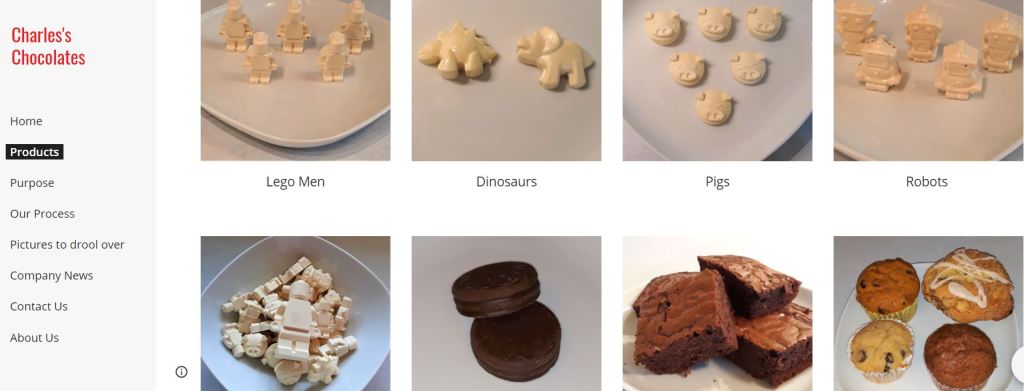
Product pictures included displaying the company’s chocolates

3. Additional pages

Once you have the pages unique to your client, you can add more typical pages, such as “Contact Us,” “Company News,” and “About Us.” Of course, I had to conceive of the information I wrote in each of these sections, but I had to keep the content relevant to the imagined client. Make sure you do the same, even for a fake website. A small chocolate company will not have “Company News” updates about stocks or donating millions of dollars.

4. Minor Details

After all the major aspects and content of the site are created (the pages, written content, and pictures), I went back through and adjusted the minor details such as adding a logo by the menu and footer (shown below), links to other pages, and maintaining a color scheme that would contrast well against the chocolates and pastries. These details will help your site look more professional.

The website footer
Logo in the Menu

Overall, I think the website I designed for class turned out well and hopefully the steps I took can help you in creating your own website.


I also added an additional page that gives a short description of the website “creators” to add credibility to the website. https://sites.google.com/view/charlesschocolates/website-creator
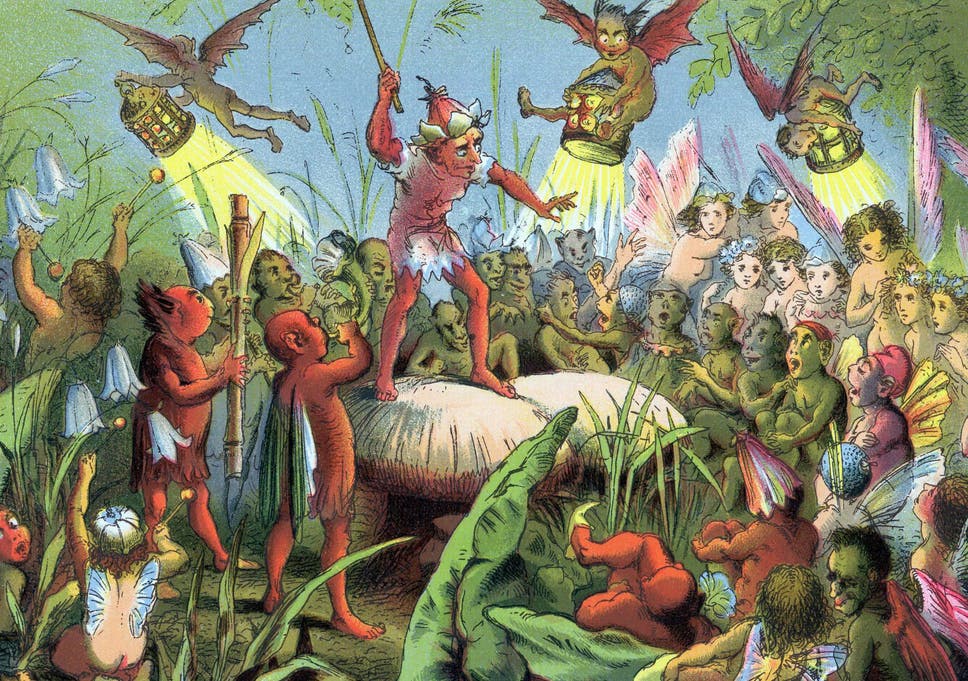

Fearful Fairies

When I thought of fairies, fairy tales, and fairy lore in the past, I thought of very small sort of human-esque beings with wings that were both magical and connected to this world. In a way, the fairy portrayed by Tinkerbell in the Disney Peter Pan and the typical fairy portrayed in movies. Not that I thought they explained many occurrences, except of course in the minds of children.

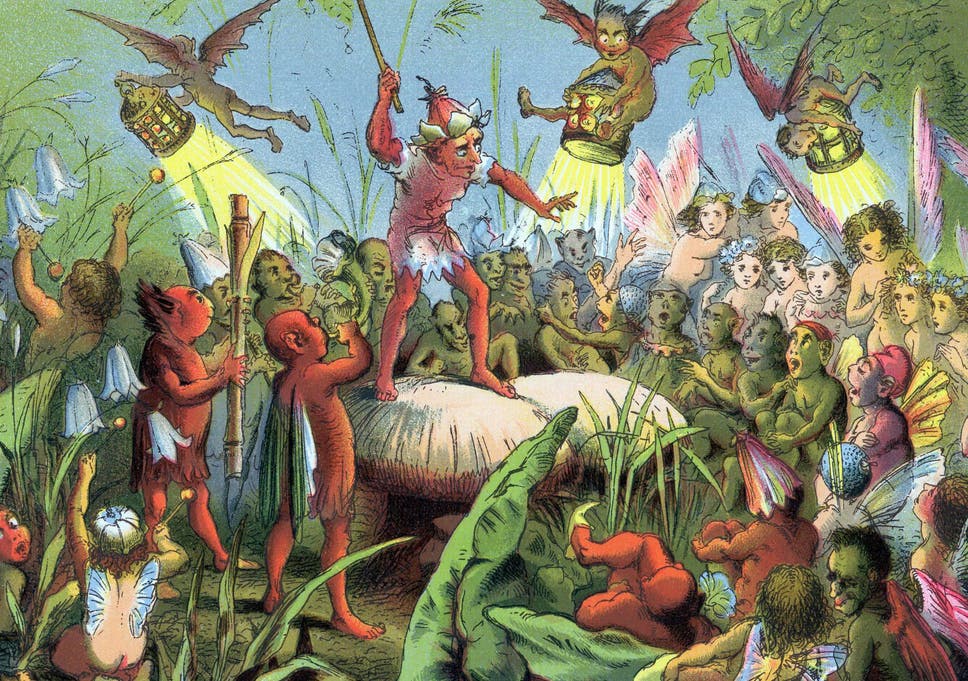
But, after learning more about fairies in classic Irish myth and tales, I learned that my American view is not entirely different from the Irish version. The Irish version also had a human appearance, with a shorter stature, though not as small as the miniature Disney character. Irish fairies had human tendencies and performed human actions, like enjoying music, dance, food, growing crops and smoking tobacco. Just like the Disney version, Irish fairies could interact with the human world, although according to Irish lore, they usually did so in a less welcoming manner. They were known for destroying crops, having an angry temperament and kidnapping people, especially children.

While children today may explain simple things as acts of fairies, such as the tooth fairy taking one of their fallen baby teeth, the Irish people used fairies to explain events that otherwise had no explanation in early Ireland. The Irish believed fairies would kidnap a child and replace it with a changeling, a sickly fairy that had similar features to the child. The changeling belief provided an explanation for the change in a baby’s or person’s behavior that otherwise was random. The belief also provided a means to cope with caring for people who would have actually been handicapped.

Irish fairies may not have been as nice and benevolent as the modern-day Disney fairy, but I am sure fairy lore provided as much entertainment to children then as movies do now.

Learning during the Pandemic

Learning a new language through an in-person course can be fun, engaging, and exciting. Learning a new language in a class that had to become an online course midway through the semester because of a global pandemic is quite unusual. Initially, the change was difficult to adapt to; the in-person classes twice a week provided me with important practice in the proper pronunciation of such a unique language like Irish.

Fortunately, my professor gave us numerous valuable resources to continue our learning, from online language learning websites, like FutureLearn.com, to various practice exercises and review power points. We were also fortunate that in the weeks before Limerick shut down completely, the university provided forewarning. This allowed our professor to cover all the course material before most of us had to return to our home countries and figure out the language for ourselves. Since we did cover all the material, reviewing the words and phrases on our own is little bit easier and still as interesting as if we were still in class.

The Covid-19 pandemic has complicated many people’s schedules, lives, and normal routines. But learning a new language while staying at home can be a fun way to pass the time while also learning a new skill. The benefit to learning at home, whether through an online language class or completing a course that used to be in person, is you can learn and practice at your own pace. You can also speak to yourself, while sitting at home, in this new language that sounds like gibberish to your family. 

There are also a few fun songs made by Coláiste Lurgan, and Irish language Summer camp, like the one below.

Some useful websites for learning Irish, or any language, can be found below.

Photo Credit: https://mbcmc27n7s3en3e22s6bb816-wpengine.netdna-ssl.com/wp-content/uploads/2016/01/tips-for-learning-a-foreign-language2.jpg

Utility in an Unusual place

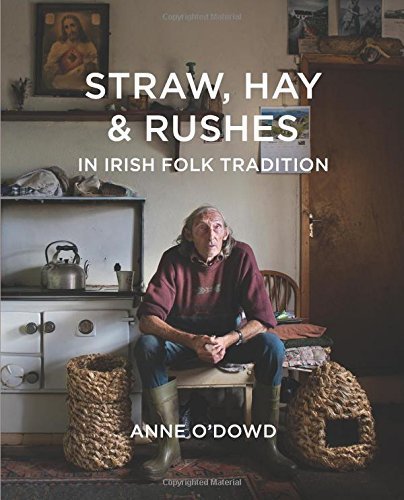
Straw, hay, and rushes. Normally, you might not think of these materials as significantly useful for everyday life. They seem comparable to regular grass, have no easily discernable strength characteristics, and are solely food for animals. At the start of the semester I would have agreed with you. However, reading Straw, Hay, and Rushes in Irish Folk Tradition by Anne O’Dowd has shown to me the extent I was wrong.

Rural Irish people in the 18th, 19th, and early 20th centuries used straw, hay, and rushes to improve numerous aspects of their everyday lives. They found a wide range of uses for these materials, such as:

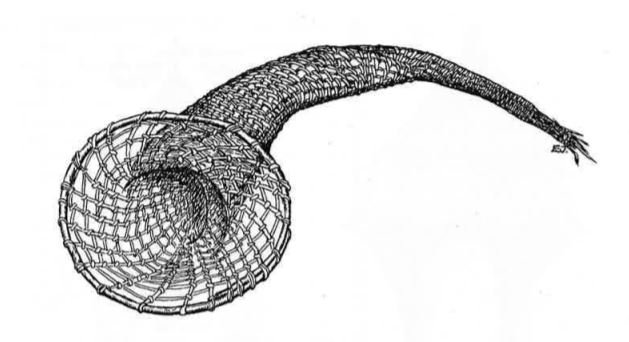
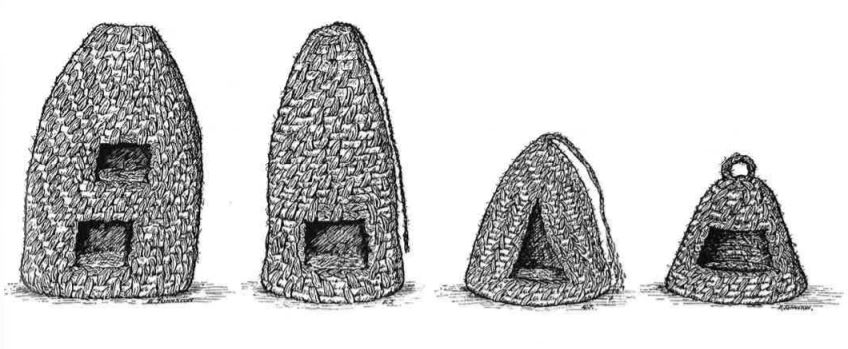
  • Tools like fishing nets, containers and ropes to ease carrying large loads, and straw chicken coops
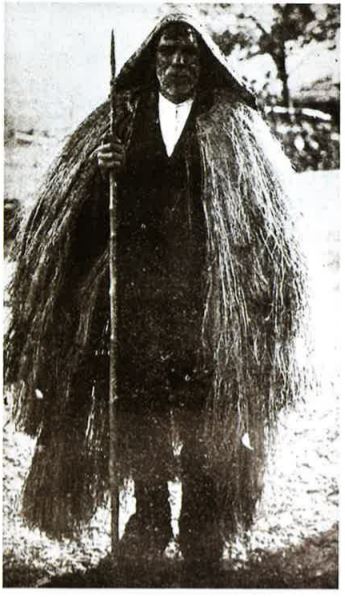
  • Everyday items like clothing, even lifebuoys for people learning to swim
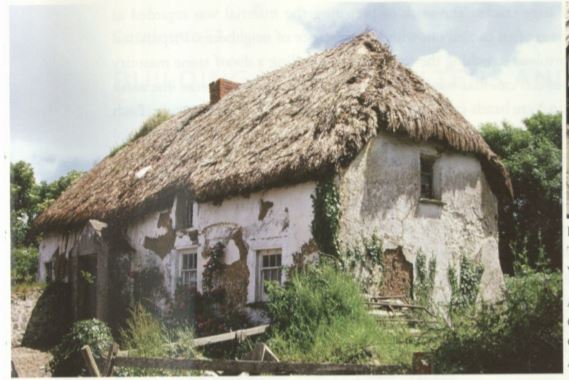
  • Household objects like seats, thatched roofing, and mud walls
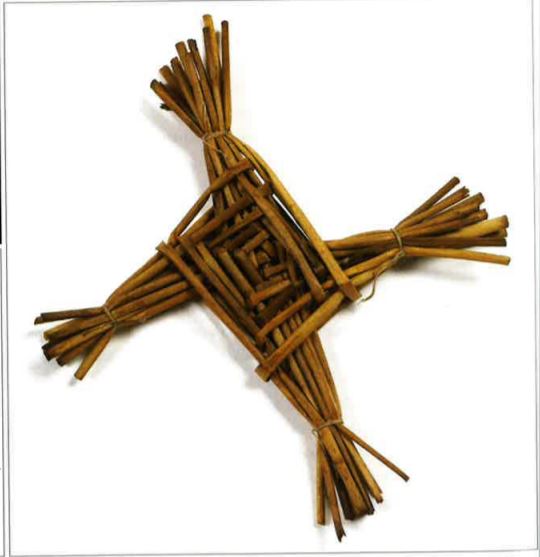
  • Religious and tradition-based objects like St. Brigid’s crosses to bring fertility to the harvest every year.

You can view a few of these examples in the slideshow below.

O’Dowd presents each of these uses with extensive research mainly derived from the Irish Folklore Commission Archives, of which O’Dowd was a curator for some years. The vast resources provide her a considerable number of firsthand stories of people using these simple materials to produce remarkable artifacts.


Do you have any relatives or know anyone that may have used straw, hay, and rushes to create one of these various objects?


Reading O’Dowd’s book has given me an appreciation for the Irish people’s ingenuity to use something as ubiquitous and practical as straw and rushes. It has also made me wonder what resources around my home I could use to improve my life.

Photo Credits:

1. Cover Image: O’Dowd, A. (2015) Straw, Hay, and Rushes in Irish Folk Tradition, [photo] Dublin: Irish Academic Press, book cover.

2. Slide show: O’Dowd, A. (2015) Straw, Hay, and Rushes in Irish Folk Tradition, [photo] Dublin: Irish Academic Press, 297.

3. Slide show: O’Dowd, A. (2015) Straw, Hay, and Rushes in Irish Folk Tradition, [photo] Dublin: Irish Academic Press, 279.

4. Slide show: O’Dowd, A. (2015) Straw, Hay, and Rushes in Irish Folk Tradition, [photo] Dublin: Irish Academic Press, 305.

5. Slide show: O’Dowd, A. (2015) Straw, Hay, and Rushes in Irish Folk Tradition, [photo] Dublin: Irish Academic Press, 421.

6. Slide show: O’Dowd, A. (2015) Straw, Hay, and Rushes in Irish Folk Tradition, [photo] Dublin: Irish Academic Press, 54.

Patience Pays Off


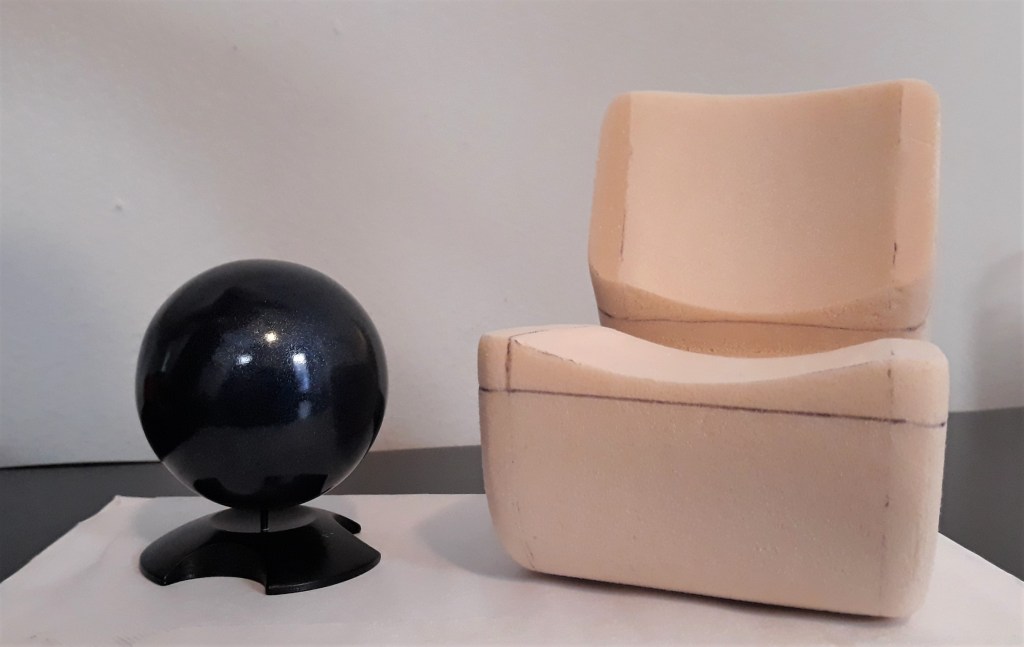
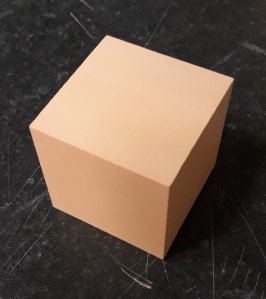
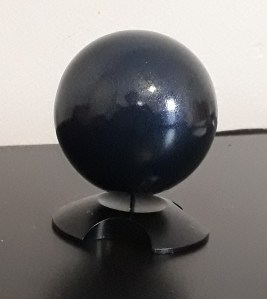
Sanding. Constantly sanding for 3 hours. That was the focus of the first few weeks of my Model Making module at UL. The first project involved sanding high-density foam from a block down to an almost perfect sphere. While you might think this would be a relatively easy or quick task, the nature of the project called for precision, a steady hand, and patience. The stiffness of the material added to the time commitment as well, but it also diminished the effect of mistakes.

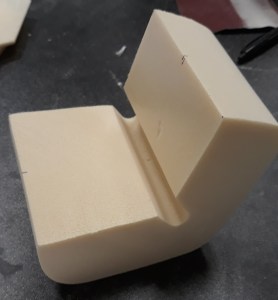
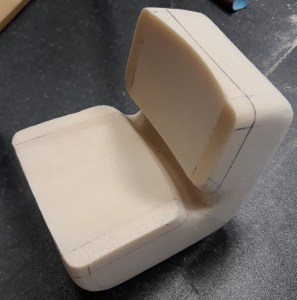
The next project involved creating a scale model Nimrod Chair. The foam for this project was light in density and prone to rips if sanded the wrong way. I needed to take my time to ensure I did not gouge the chair instead of smoothing it.


Even though each project required numerous weeks to complete, a shorter timeline would have reduced the quality of each project. This module was not just about sanding foam to make shapes; it was about learning the process to create a symmetrical, high-quality finished product. If I had rushed into the projects, neither would be symmetrical, in dimension, or look as well-finished as I would have hoped.

I am glad I enrolled in this module. It reminded me small details and steps are significant in the process to a well finished result. Without the patience to follow the advice of my professors and steps in sanding, priming, or spray painting my sphere, I doubt it would have turned out as nice as it did. I would have regretted my mistakes every time I saw the sphere. But I am happy I took my time and grateful to have a nice-looking token of my time in Ireland.

Passing time in Early Ireland


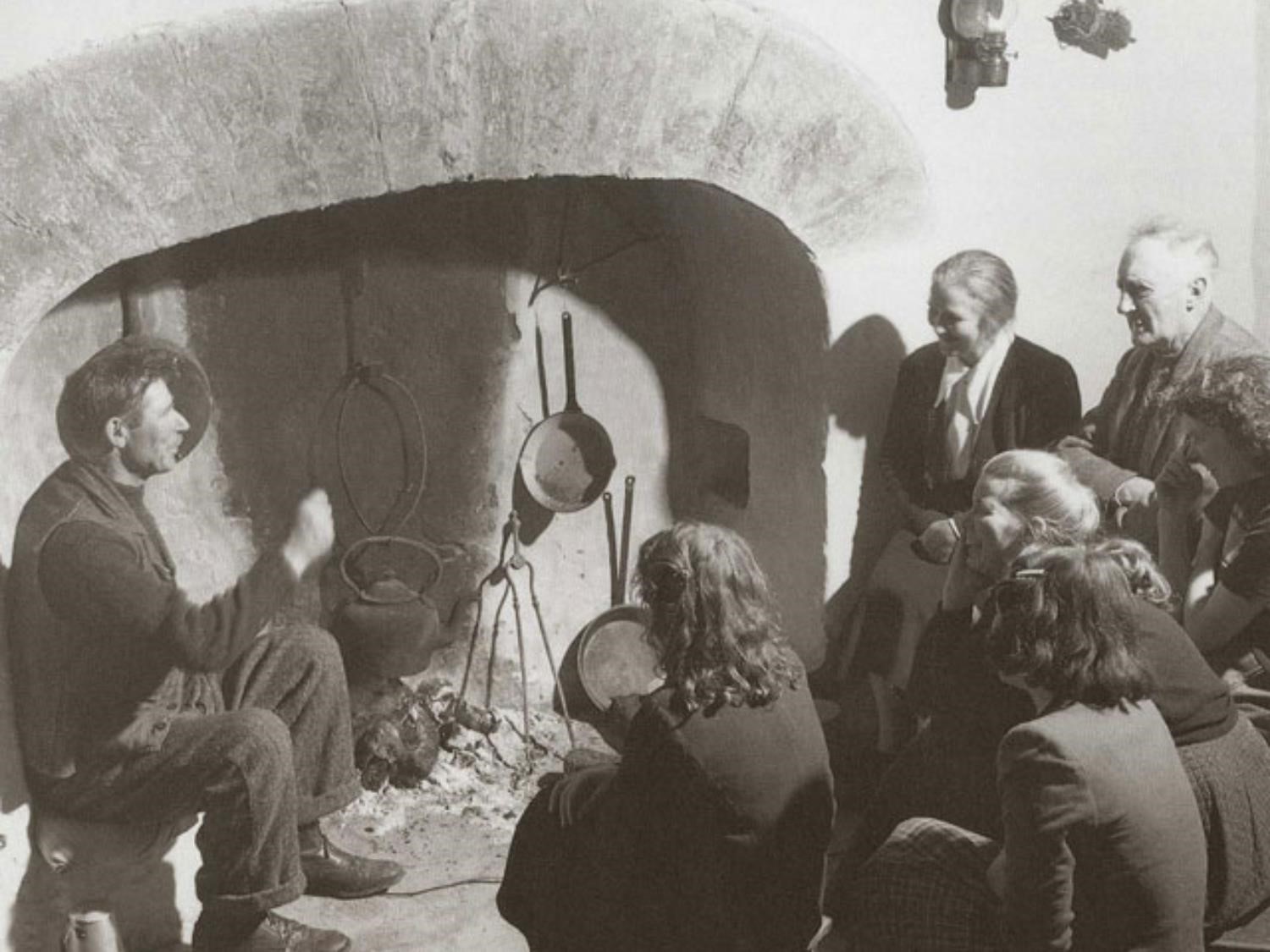
To pass time in early Ireland, up until very recently, people would tell stories. These stories—seanchas which were short lore and legends, and scéal which were hours long tales of fiction—were usually told by men during the bleak winter months. The characters were often flat, with no development, their personalities only just described by their actions, and they often interacted with otherworldly creatures as if they were an everyday occurrence. The storyteller, or scéalaí, would be the only one allowed to tell the story with everyone gathered around him by the fireside.

In contrast, when my family had large gatherings, all the older adults would ramble, recounting stories about previous generations’ lives and all the funny things that happened to them. One person would start recalling a fond memory before someone else interjected with what they thought, with everyone adding to the story, throwing around names and odd personality traits about the subject.

Although, both are somewhat similar as well. In early Ireland the family and neighbors all converged to enjoy each other’s company and pass time when there was no work to be done. Comparably, my family would gather to celebrate a special occasion or just to catch up with each other; any occasion inevitably turning to stories of the past. The storytellers of both early Ireland and my family would articulate these wild stories with vigor and emotion, enthralling and bringing joy to the people around them.

What are your family gathering like? Are they similar with lots of stories and ruckus or somewhat different? Please share.


Below you will find some links to the Ireland National Archives to some folklore and folktales.


Photo credit: http://www.askaboutireland.ie/reading-room/history-heritage/folklore-of-ireland/Folklore-of-ireland/tellers-and-their-tales-i

First Impressions of the Irish Language

Dia dhuit! Conas atá tú? Tá mé go maith! (click here to hear the phrase, and here to see a translation).

These are just a few of the everyday phrases that I am learning in my Irish Language module this semester. When I planned my trip to study in Ireland, I decided to enroll in at least one module which focused on the culture of the country. Even though a minority of people speak Irish, I felt the module would be a unique way to learn and experience the culture, along with my Irish Folklore module.

I have not taken a language class since the last year of secondary school when I studied Spanish. Subsequently, the transition into learning Irish was slightly jarring. The language is distinctive regarding its spelling and pronunciation compared to English and the little amount of Spanish I remember. There are, however, some Irish words that spark recognition from my Spanish days, such as Dia (God in Irish) and día (day in Spanish) which both sound and are spelled the same way. The 6 common questions: who, what, when, where, why, and how, follow the same pattern and pronunciation styles between Irish and Spanish. Both usually begin with a hard “c” as in “caught” or “Kay.” The following table provides a reference.

EnglishIrishSpanish
WhoQuién
WhatCadQué
WhenCathainCuándo
WhereDónde*
WhyCén fáthPor qué*
HowConasCómo
*The Spanish “where” and “why” are different, but the rest follow the same pattern

Still, when our professor talks about the various cases or parts of speech, I must admit I am slightly confused–studying engineering, I have not needed to think about proper English terminology in a while.

Despite this, I quite enjoy learning the language. This module provides a rare opportunity to learn a language a distant relative of mine may have used before. I wish I could take more than 1 semester to become more fluent, but I will continue learning through Duolingo!

Lastly, my favorite phrase of the class so far, Tóg go bog é!(click here to hear the phrase, and here to see a translation).


Safety in the Lab

The first day of Model Making at the University of Limerick, I did not expect the need for all the personal protective equipment for an intro level course focused on sanding models. During the first lab session we were required to wear lab coats, eye protection, and began a short lesson on using machines in the workshop.

This is in striking contrast to the student club machine shop at my home school. The older students reminded us of safety practices, and to wear protective goggles, however, there was no introductory lesson or sign posted with the safety requirements of the lab.

Although we did not know the exact statistics—over 100 thousand woodworking related injuries in 2018 and over 24 thousand flying particle related eye injuries in 2008, according to the US Bureau of Labor Statistics—we knew eye protection was necessary so we did not go blind!

The corresponding injury data can be found below. https://www.bls.gov/iif/oshwc/osh/os/summ2_00_2018.htm https://www.bls.gov/opub/mlr/cwc/workplace-injuries-involving-the-eyes-2008.pdf


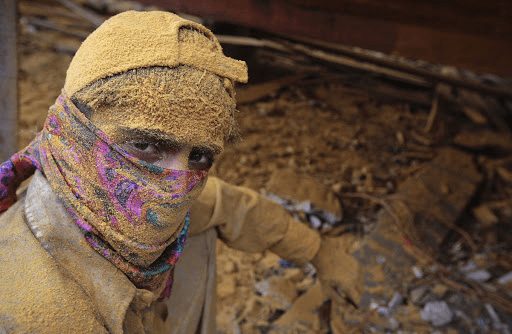
Back in the United States, we did not wear lab coats; the burden of keeping one’s clothes clean would be on the student, and I typically would not have thought twice about walking into the workshop without an apron or lab coat. I would sometimes finish the day looking like this

However, the lab coat does provide a good protective layer from particles irritating my skin or staining my clothes. And it is nice not to worry about cleaning off my clothes at the end of the lab here at UL.  

Further, the lack of introductory lesson provided by my club, compared to the lesson provided by the instructors here, could be attributed to the difference in setting. My module at UL is a structured course, whereas the club is run by students after school. There, younger students are expected to ask before using a machine, since there are numerous more experienced students present as well. Nevertheless, I must agree that a formal introduction to the various machines in a workshop is a necessity for people with little background in a workshop.

If you are looking for a general overview on safe practices for various machines and general shop rules, the following links may be useful. https://ehs.osu.edu/sites/default/files/machine_shop_safety_program.pdf https://ehs.ua.edu/operations/occupational-safety/shop-safety/wood-shop-safety/

If you need more convincing that PPE is important, here is a short, slightly fun, and non-gruesome video.


Study Ireland - Stories & Guides from International Students

An International student perspective of life at the University of Limerick

UCD LIBRARY CULTURAL HERITAGE COLLECTIONS

Welcome to the UCD Library Cultural Heritage Collections blog. Discover and explore the historical treasures housed within our Archives, Special Collections, National Folklore Collection and Digital Library

Wonderful Engineering

Engineering & Technology Magazine

Design a site like this with WordPress.com
Get started